
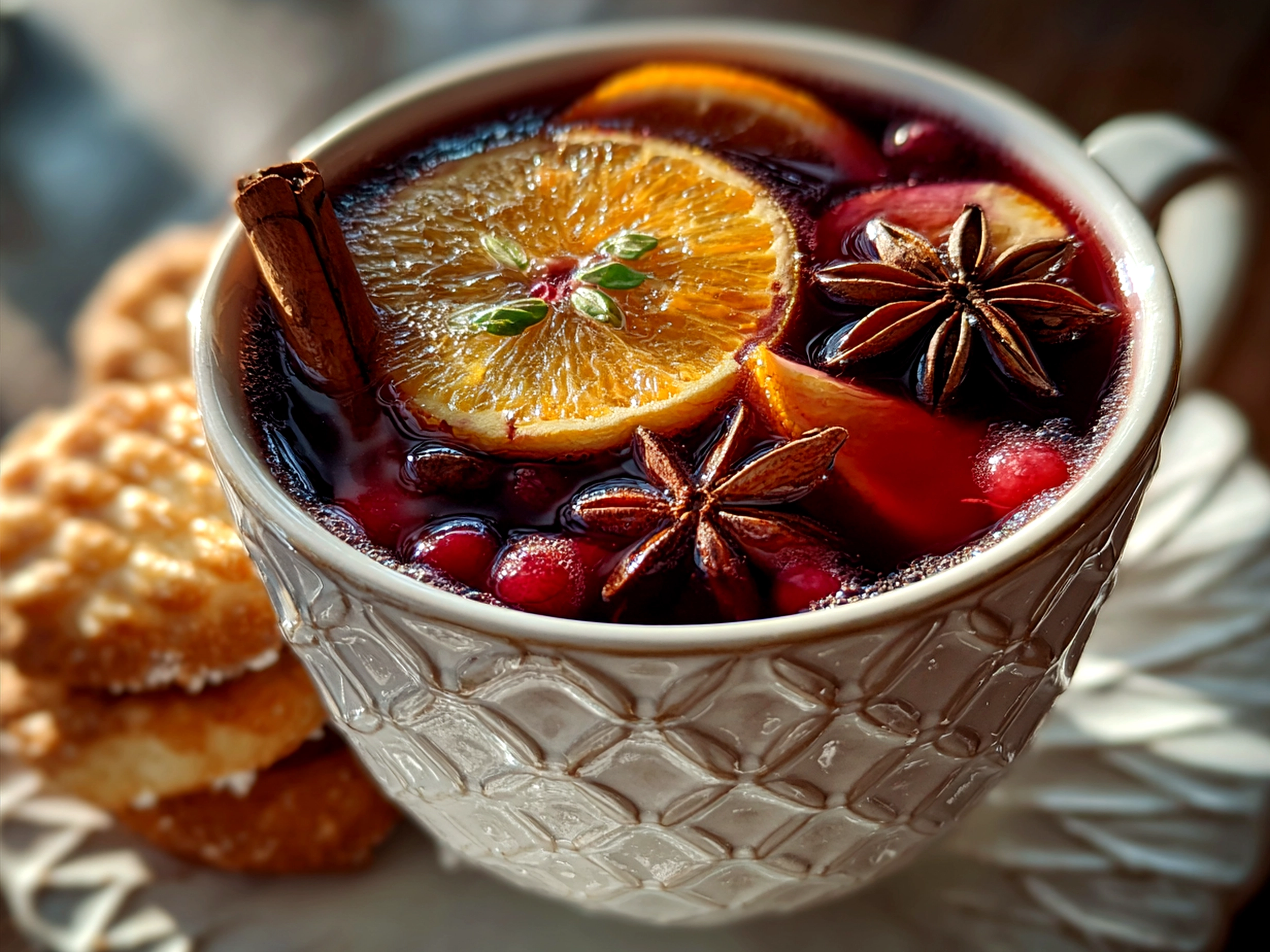
When my week was packed with back-to-back meetings and errands, German Mulled Wine Glhwein saved me from the usual dinner chaos. I planned this warming winter drink Germany style well ahead, giving my evenings a clear rhythm. I prepped the mulled red wine spices on Sunday, and throughout the week, I simply heated the Gluhwein with minimal fuss. This planning breakthrough cut down my evening tasks by nearly 20 minutes daily, letting me relax or prep other meals like the Mediterranean chicken and orzo I had lined up.
What stood out was how German Mulled Wine Glhwein fit so smoothly into an organized meal plan without needing rigid batch cooking. I didn’t need to stress about grocery runs or last-minute additions because every spice and citrus element was ready in my pantry. Plus, this German holiday beverage feels festive yet straightforward—ideal for weeknights when time’s short, but you want something special. I invite fellow meal planners seeking strategic, delicious solutions to consider how this traditional Gluhwein recipe might free up your week too.
The key was to treat prepping this German Mulled Wine Glhwein like any other part of my system. I grouped ingredients during shopping, respected the simmer timing, and left some flavoured batches ready in the fridge. Keeping the spices and wine organized meant that when I wanted that cozy, warming winter drink Germany loves, I just had to focus on heating and pouring it right at the right time. If you’re juggling dinner, work, and life, this beverage can seamlessly slot in as a low-effort, high-reward pause to your routine.
Your Shopping List:
Here’s the ingredient list for your German Mulled Wine Glhwein, designed to fit into smart meal planning:
- 1 bottle (750ml) dry red wine — I pick a dry red wine for my German Mulled Wine Glhwein because it holds up well for simmering without becoming bitter. It’s a versatile base that also works in savory stews.
- 1 orange, thinly sliced — Oranges add the classic citrus punch and store easily for a week in the fridge.
- 2 cinnamon sticks — These mulled red wine spices are pantry staples in my rotation as they last a long time and can be used in both drinks and baked goods like the pistachio lush dessert.
- 4 whole cloves — Cloves bring warmth and depth. I buy these whole and keep them ready for mulled treats and savory rice dishes.
- 3 star anise pods — Star anise adds subtle sweetness and a hint of licorice; I store these with the cinnamon and cloves to keep a tidy spice cabinet.
- 1/4 cup sugar or honey — I choose sugar for consistent sweetness, but honey can be a natural swap depending on your preferences.
- 1/2 cup water — For the base syrup to dissolve the sugar and help extract spice flavors.
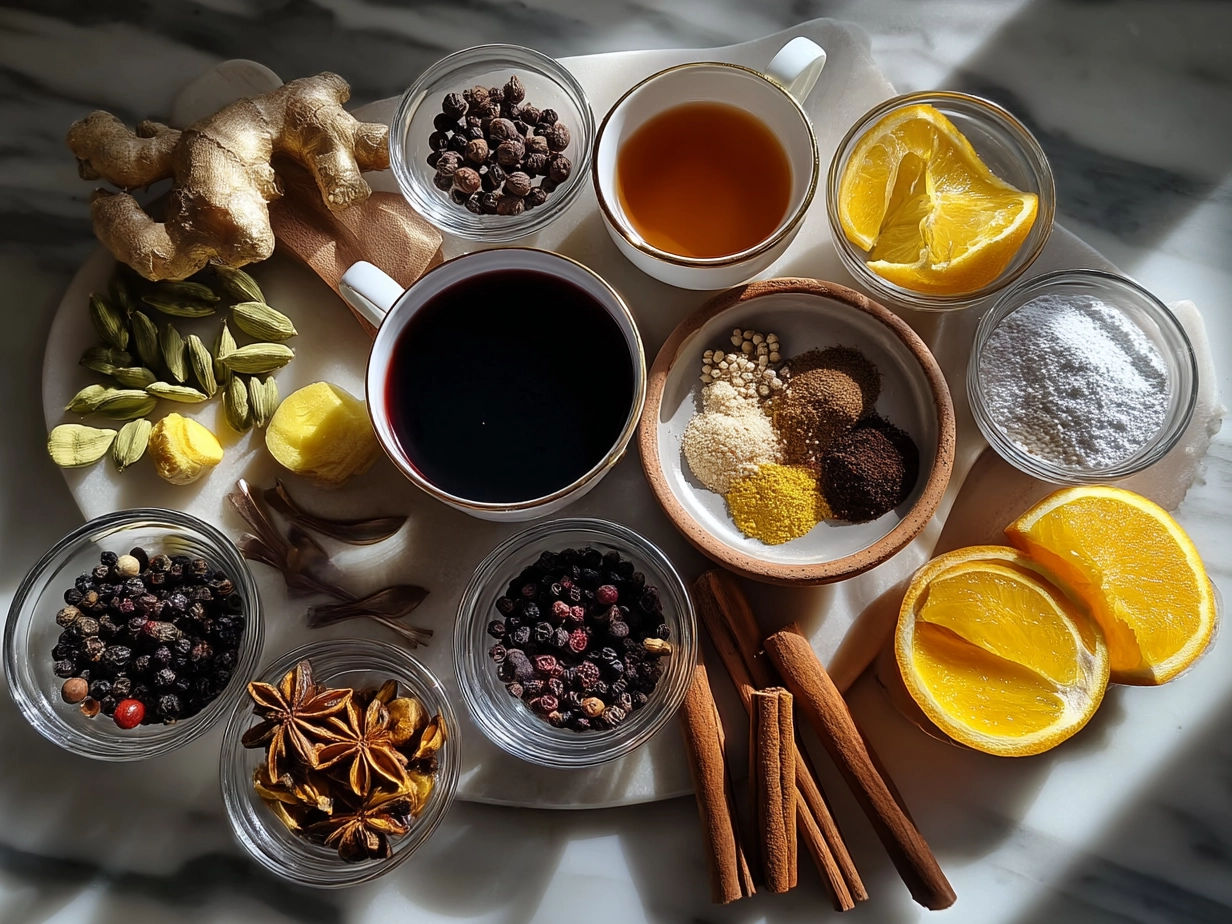
Group these together when shopping for your German Mulled Wine Glhwein. This group acts as the cornerstone for multiple recipes, including the mulled wine and even some winter desserts. Buying cinnamon sticks and star anise in bulk saves trips, and you’ll find these spices keep at least six months unopened. You can also buy pre-ground versions, but I prefer whole spices for the freshest flavors and flexibility.
When you’ve scheduled this recipe, you can batch prep the spice mix by simmering it on a weekend day and refrigerating for up to 5 days. This strategy aligns well with prepping other meals like the roasted chickpea corn mix that also benefit from spices on hand.
The Game Plan:
Making German Mulled Wine Glhwein fit a busy week starts with firm timing and sequence. Plan for about 25-30 minutes from start to table with this process, so it can be a mid-afternoon or early evening ritual. Here’s the step-by-step system that keeps this German holiday beverage efficient and reliable:
- Combine sugar or honey with water in a pot over medium heat. Stir until fully dissolved. This mulled wine syrup base is essential for evenly distributing sweetness throughout your German Mulled Wine Glhwein.
- Add the cinnamon sticks, cloves, and star anise pods to the syrup. Drop the orange slices in as well. This is the special moment for the mulled red wine spices to begin releasing their aromatic warmth.
- Bring the mixture just to a simmer—avoid boiling. Simmer gently for 10-15 minutes. This “Gluhwein heat and simmer” phase is key; it extracts the perfect intensity from the spices without turning bitter.
- Remove from heat and strain out the spices and fruit. This keeps the German Mulled Wine Glhwein clear and clean to serve while maintaining strong flavors.
- Add the full bottle of red wine to the pot. Reheat the mixture gently until warm but never boiling. Heating the wine with the pre-spiced syrup lets flavors meld while respecting the alcohol content.
- Ladle into heatproof glasses and garnish with a fresh orange slice or cinnamon stick if desired.
While your German Mulled Wine Glhwein is on this gentle heat and simmer cycle, use the spare time to prep tomorrow’s ingredients or set the table for a simple meal complement. If you want to make this German Mulled Wine Glhwein ahead, prepare the spiced syrup up to 3 days in advance and store it airtight in the fridge. Just add wine and warm it gently on demand.
I keep a batch in the freezer in a freezer-safe container, but I always thaw overnight in the fridge first. This system prevents last-minute scrambling while offering a taste that’s fresh and inviting. Having this German holiday beverage ready means you can rally around a festive drink with minimal planning stress.
For those wanting a traditional Gluhwein recipe, this method aligns closely with ones shared in communities like this Gluhwein: a traditional German mulled wine, helping me feel connected to the authentic experience.
Smart Serving & Meal Planning Ideas:
This German Mulled Wine Glhwein links neatly into your weekly rotation as a warming winter drink Germany famously enjoys around the holidays. It works perfectly alongside lighter meals or heartier stews, giving you flexibility in planning. Consider pairing it with a cheese platter or simple roasted veggies that use some of the same spices.
My strategy is to plan the German Mulled Wine Glhwein on cooler evenings, especially when I’m also serving meals centered on savory warmth, like the Mediterranean chicken and orzo. This keeps grocery lists tight and taps leftover citrus zest in other dishes.
Portion-wise, plan for about 1/2 cup per person as a beverage. It scales easily—just double the spice base and wine if you’re feeding a group. Leftovers of this German holiday beverage store well in the fridge for 2-3 days and reheat with care. On certain weeks, I double batch and use part in punch recipes or warmed cocktails with strategic swaps.
If you love a sweet note, you might try tweaking this traditional Gluhwein recipe slightly by adding berry preserves or a splash of fruit juice. I came across interesting variations in a sweet red wine Gluhwein recipe thread that gave me some ideas for rotation weeks.
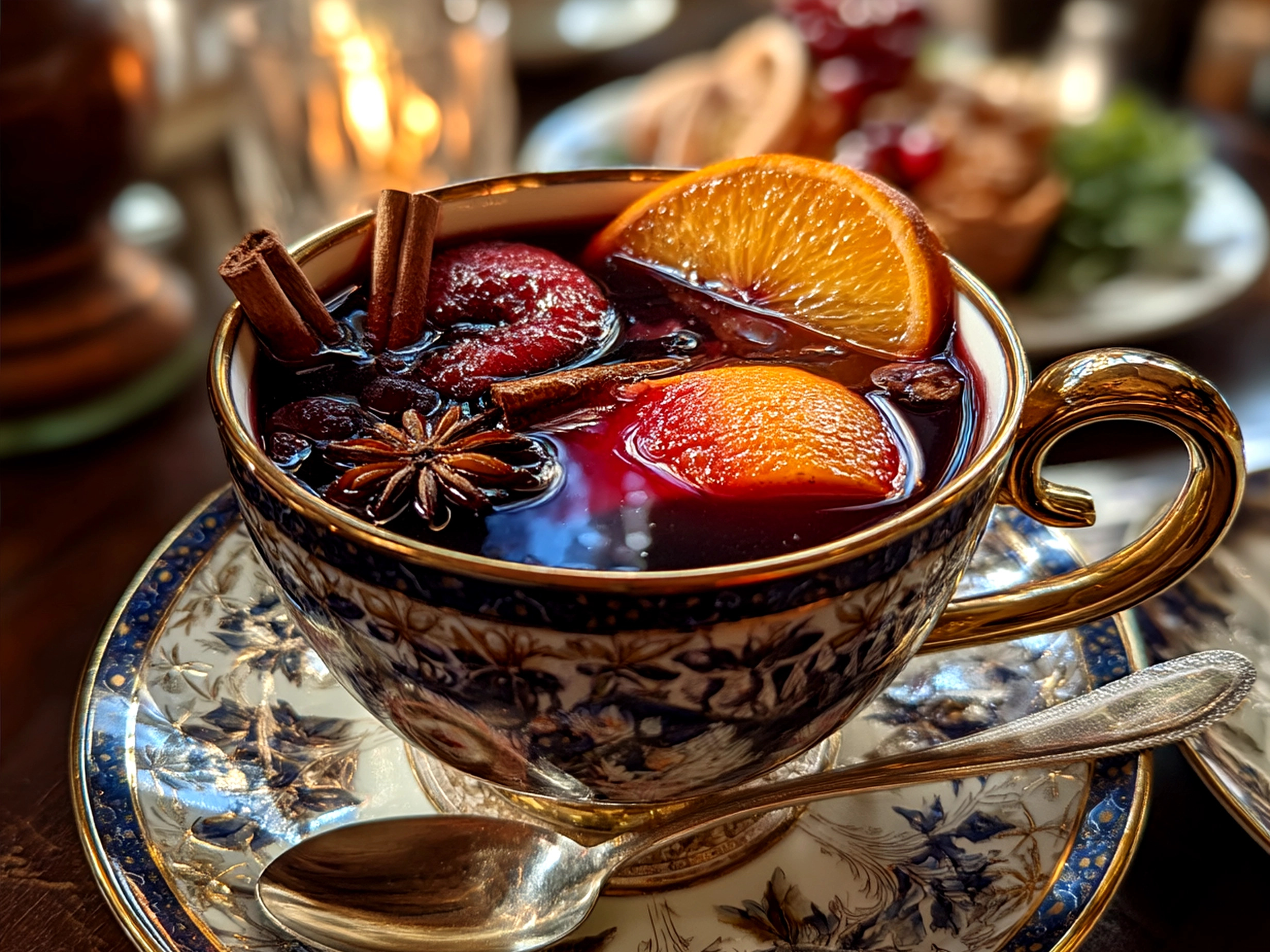
Whether it’s a casual weeknight sip or part of hosting, having German Mulled Wine Glhwein planned helps me fill my meal schedule with welcoming rituals that require little time but deliver warmth and flavor.
Planning & Prep Questions
How far ahead can I prep this German Mulled Wine Glhwein?
I recommend prepping the spiced syrup base up to 3 days in advance and keeping it refrigerated. The wine addition and final warming are best done close to serving to maintain the fresh aroma.
What’s the best make-ahead strategy for German Mulled Wine Glhwein?
Make your spiced syrup in bulk on a less busy day, refrigerate in a lidded container, and gently rewarm with red wine when you want to serve. This approach fits neatly into batch prep weeks and reduces evening steps.
Can I freeze German Mulled Wine Glhwein?
Yes, freeze the spice base without wine. Thaw completely before mixing with wine. The wine itself doesn’t freeze well but adding it fresh keeps the taste sharp.
How do I incorporate this German Mulled Wine Glhwein into my weekly meal plan?
Slot it on colder evenings as a standalone warming beverage or alongside lighter meals. I often plan it with shared ingredients—like citrus or spices—to avoid extra shopping.
What are common mulled red wine spices for this Gluhwein?
Cinnamon, cloves, and star anise form the backbone. Adding orange slices rounds out the citrus notes. These staples keep well and multiply in use across winter recipes.
Can I adjust sweetness easily?
Absolutely. The classic German Mulled Wine Glhwein balances just right with 1/4 cup sugar, but I tune this up or down depending on taste or accompanying dishes. Using honey is another option, though it shifts flavor slightly.
Does Gluhwein heat and simmer timing affect flavor?
Yes, gentle simmering for 10-15 minutes extracts full spice flavor without bitterness. Boiling shortens the aroma and dulls the profile. I always set a timer and monitor heat carefully.
Planning these steps has made German Mulled Wine Glhwein one of my rotation regulars during the colder months, and the process fits cleanly into a busy lifestyle. For more organized inspiration, check out this traditional Gluhwein recipe that systems these steps well.
Planning Takeaways
German Mulled Wine Glhwein earned its spot in my meal planning system because it brings festive flavor with minimal complexity. It pairs beautifully with other planned meals and aligns with time-saving prep methods that respect busy schedules.
Strategic German Mulled Wine Glhwein Tips:
– Prepare your spice syrup in advance to cut evening heat time significantly.
– Store whole spices properly for a seasonal supply that supports multiple recipes.
– Warm gently—Gluhwein heat and simmer stages matter for flavor and texture.
I’ve experimented with batch prepping the spice base alongside other make-ahead elements, using the beverage as a rotation regular for weeknights when I want less cooking fuss but more comfort. Another helpful approach is pairing this German holiday beverage with easy dishes like the roasted chickpea corn mix in a weekly staple plan. Some weeks I scale it up for gatherings, making twice the quantity and incorporating leftover Gluhwein into punch recipes or mulled cocktails.
The planning approach that works best is setting a specific day to prep the spice base and scheduling the wine addition just before serving. This system guarantees delicious results without extra stress or last-minute runs.
If you adapt this German Mulled Wine Glhwein to your own rhythm, it can become a reliable, warming element in your meal plan. This recipe simplifies your week by giving you a festive, comforting drink that feels intentional yet effortless. For added variety, you can browse other seasonal recipes at The Foodie Planner, making your entire meal plan coordinated and enjoyable.
Incorporate German Mulled Wine Glhwein into your weekly prep, and you’ll have a festive touch that’s both smart and satisfying all winter long.
PrintGerman Mulled Wine Glhwein

Experience the warmth of traditional German Mulled Wine Glhwein, a spiced red wine drink perfect for cozy gatherings and festive occasions.
- Prep Time: 10 minutes
- Cook Time: 20 minutes
- Total Time: 30 minutes
- Yield: 4 servings
- Category: Dinner
- Method: Simmered
- Cuisine: German
Ingredients
- 1 bottle (750ml) dry red wine
- 1 orange, sliced
- 8 whole cloves
- 2 cinnamon sticks
- 3 star anise
- 4 tablespoons sugar
- 1 teaspoon vanilla extract
- 1/4 cup water
- Optional: a splash of rum or brandy
Instructions
- In a saucepan, combine water, sugar, cloves, cinnamon sticks, and star anise. Bring to a simmer and stir until sugar dissolves.
- Add orange slices and simmer gently for 10 minutes to infuse flavors.
- Pour in the red wine and vanilla extract, heating slowly without boiling to preserve alcohol and flavor.
- Heat the mixture for another 10 minutes until hot and fragrant.
- Strain the mulled wine into mugs or heatproof glasses.
- Optional: Add a splash of rum or brandy for extra warmth.
- Serve warm, garnished with an orange slice or cinnamon stick if desired.
Notes
For a non-alcoholic version, substitute the wine with grape juice and reduce the simmering time. Serve with cinnamon sticks for a festive touch.