

Planning ahead truly changed how I handle busy mornings, and the French Croissant quickly became my go-to plan for weekends or slow weekday breakfasts. One hectic week, I realized those few extra minutes saved by prepping a batch of French Croissants meant I could enjoy a stress-free morning and focus on my daily to-do list. This buttery flaky pastry isn’t just a treat; it’s a strategic choice that fits perfectly into organized meal planning.
Why French Croissant Works for Busy Mornings
By incorporating the French Croissant into my weekly rotation, I stopped scrambling for breakfast options that required extra effort or compromised flavor. Preparing laminated dough in batches and freezing well meant I always had a fresh-like bakery option without the chaos. This Viennoiserie classic works well for more than just breakfast croissant moments—it can pivot easily into snacks or light meals with simple add-ons.
I’ve found that having this traditional French bakery staple on hand simplifies my entire week. If you’re a busy cook seeking an efficient, satisfying option, I invite you to see how thoughtful prep turns fresh French Croissant into a predictable win. Navigate your schedule with steady meals that don’t demand last-minute decisions, and enjoy the reliable comfort of buttery flaky pastries ready when you need them. For more ideas on set-and-forget mornings, you might also check out my take on French Toast Bake Recipe which plays well alongside this laminated dough gem.
Your Shopping List:
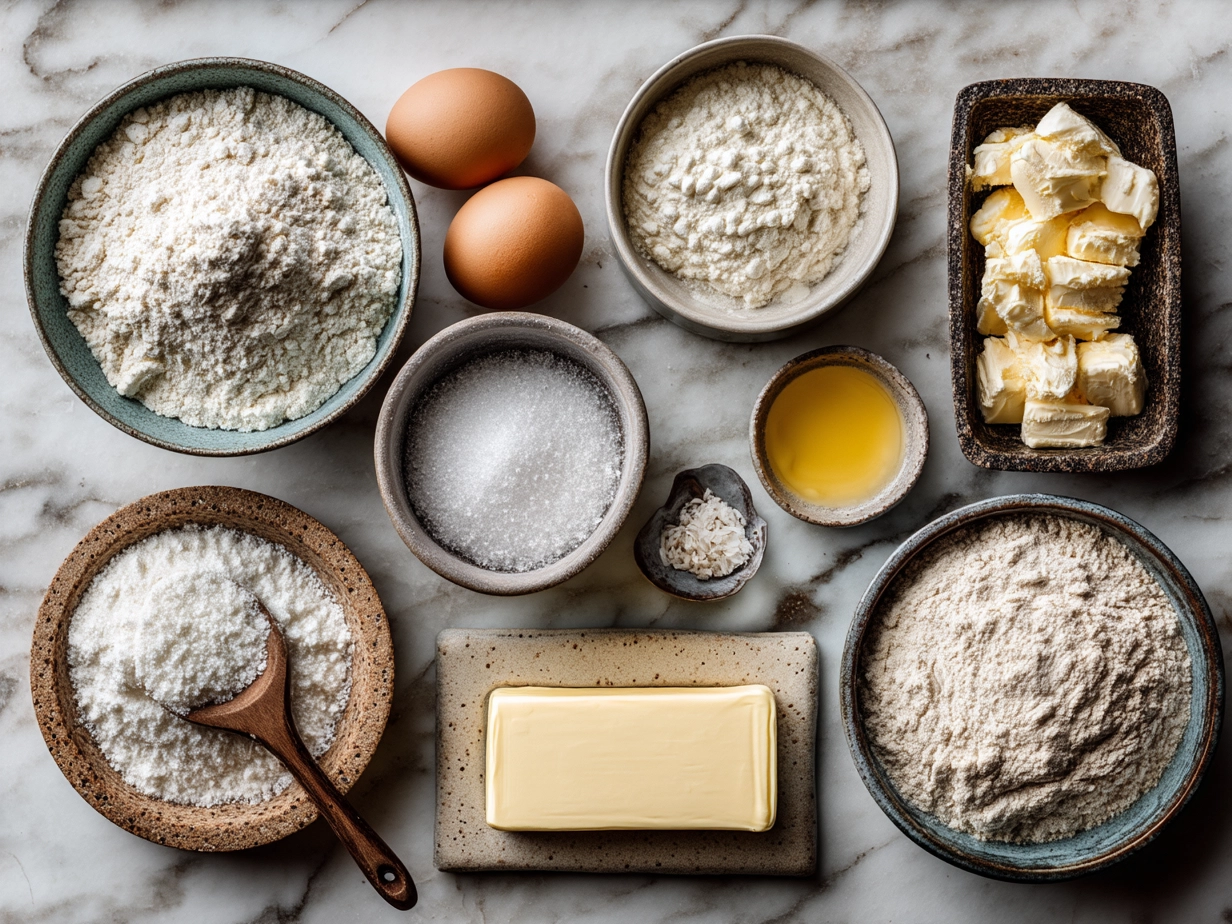
- All-purpose flour – 4 cups (plus extra for dusting): I choose this flour for my French Croissant because it stores well in a sealed container and provides the right strength for the laminated dough.
- Unsalted butter – 1 ½ cups (room temperature): This key ingredient delivers authentic buttery flaky pastry texture; buying a quality block helps with consistent layering.
- Warm milk – 1 cup: Milk adds tenderness and assists yeast activation. Opt for whole milk to keep the dough rich but you can swap for plant-based milk if allergies come up.
- Active dry yeast – 2 ¼ tsp: Dry yeast stores long-term, perfect for batch prepping your French Croissant dough ahead of time.
- Granulated sugar – ¼ cup: Just enough sugar to balance flavors and help yeast bloom without overpowering.
- Salt – 1 ½ tsp: Essential to highlight the buttery layers in this traditional French bakery recipe without interfering with yeast activity.
- Egg – 1 large (for egg wash): Using an egg wash gives that glossy, golden finish characteristic of breakfast croissants from your favorite traditional French bakery.
When shopping for your French Croissant ingredients, group the flour, butter, yeast, sugar, and salt together. These pantry staples work well not just for croissants, but also other baking needs like baguettes or Dutch Oven French Onion Soup bread sides.
Batch prep tip: double or triple the laminated dough recipe and freeze portions wrapped tightly. This approach saves time and reduces waste. Butter can be bought pre-sliced to save your prep steps, making assembling the layers faster. Remember to store flour and yeast in airtight containers to keep them fresh for your planned French Croissant baking sessions. The egg is best bought fresh but is naturally flexible for multiple recipes through the week including French Chocolate Flan Delight.
The Game Plan:
- Activate your yeast: Warm the milk to about 95°F (warm to the touch). Stir in the active dry yeast and 1 tsp of sugar. Let sit for 5-7 minutes until frothy. This step jumpstarts your French Croissant dough and is crucial for consistent rising.
- Mix the dough base: In a large bowl, combine the flour, remaining sugar, and salt. Add the yeast mixture and knead until you get a smooth dough, about 8-10 minutes on a stand mixer or 12 by hand. Cover and rest for 30 minutes.
- Prepare the butter block: While the dough rests, shape the butter into a 7-inch square slab by pounding and folding it inside parchment paper. Chill to keep it cold but pliable for the laminated dough layering essential to the French Croissant’s flaky texture.
- Incorporate the butter: Roll out the dough into a 10-inch square. Place the chilled butter block in the center diagonally, then fold dough corners over creating an envelope. This step is the heart of your laminated dough, building in the layers of buttery flaky pastry.
- First rolling and folding: Roll the dough into a 20×10 inch rectangle. Fold it into thirds like a business letter. Wrap in plastic and chill for 30 minutes. This resting time is crucial to keep layers distinct in your French Croissant.
- Repeat rolling/folding twice: Repeat the rolling and folding process two more times, chilling for 30 minutes between each. This multiturn process develops the delicate laminated dough structure of your French Croissant.
- Shape your croissants: Roll dough to about ¼ inch thick. Cut into triangles roughly 4 inches wide at the base. Starting at the base, roll each triangle tightly toward the point, forming croissant shapes waiting for a golden finish.
- Proof your dough: Place shaped croissants on parchment-lined trays, cover, and let rise at room temperature for 1.5 to 2 hours until nearly doubled. Your French Croissant is now ready for baking.
- Egg wash and bake: Brush croissants with beaten egg for that signature golden sheen. Bake at 375°F for 15-18 minutes until puffed and deeply golden brown. Cool slightly before serving.
Plan for about 4 hours total from start to table, but most of this involves resting periods that free you to prep other meals or tasks. While these croissants bake, use the time to prepare your next recipe’s mise en place—maybe some fruit or planning your next breakfast croissant sandwich.
If you’re prepping French Croissants in advance, shape and freeze before the proofing step. When ready to bake, thaw overnight, proof, and bake fresh. This make-ahead strategy keeps your weekly morning rush on track and gives you weekday breakfast satisfaction.
My repeated pours into laminated dough taught me the importance of cold ingredients and resting times—rushing leads to less flakiness. For home bakers, checking out forums like How to make buttery, flaky homemade croissants is a great resource for detailed layering tips and troubleshooting.
Smart Serving & Meal Planning Ideas:

French Croissant shines as a breakfast croissant staple, perfect alongside fresh fruit or simple scrambled eggs. Planning croissants for weekend mornings fuels a relaxed start. On weekdays, this buttery flaky pastry doubles as a handy snack or lunch component when paired with cheese or ham.
Strategically, pairing croissants with ingredients like mixed greens salad or chilled yogurts keeps meals balanced. Using seasonal fruit preserves with your French Croissant makes for easy portioned sides. Consider this Viennoiserie a versatile player in varied meal plans too—sweet or savory, it flexes to many needs.
For larger families or batch cooking, plan croissant quantities by count and freeze extras. Leftover French Croissants reheat well in toaster ovens, maintaining their flakiness. For slower weeks, swap fillings or toppings to keep this traditional French bakery item feeling fresh and seasonal.
Scheduling French Croissant on Sunday sets up a solid base for the week’s breakfasts or brunches. Pair leftovers with meals you’ve planned, like the French Toast Bake Recipe, to reduce waste and keep prep light throughout busy days.
Planning & Prep Questions
How far ahead can I prep this French Croissant?
You can prepare laminated dough up to 2 days in advance in the refrigerator. Alternatively, shape croissants and freeze before proofing for up to 2 months. This method secures fresh mornings with a flexible plan.
What’s the best make-ahead strategy for French Croissant?
Batch preparing the dough and freezing portions before shaping saves time. Thaw shaped croissants overnight and bake fresh in the morning. Using this zoning of prep steps simplifies incorporation into your weekly routine.
How do I incorporate this French Croissant into my weekly meal plan?
Assign French Croissant baking to a lower-key morning or weekend day. Use leftovers creatively—croissant sandwiches or breakfast toasts—for busy weekday breakfasts. Think about mixers and sides you already have to minimize extra shopping.
Can I substitute butter in the laminated dough?
Butter is critical for the right texture and flavor of this buttery flaky pastry. Margarine alters the crisp layers, so keep this ingredient intact for that true traditional French bakery experience.
How do I store leftover French Croissant?
Store cooled croissants in an airtight container or zip bag at room temperature up to 2 days. Freeze any extras wrapped tightly for up to 1 month. Reheat carefully to preserve crispness.
Are French Croissants suitable for batch cooking?
Absolutely. Laminated dough freezes well, and croissants bake quickly from frozen (just add proofing time). This makes them friendly for advanced meal planning and batch cooking sessions.
What tools speed up my French Croissant process?
A stand mixer reduces kneading time. A rolling pin and bench scraper help with folding laminated dough layers. Also, a kitchen scale ensures consistent dough portions for uniform croissants.
Planning Takeaways
This French Croissant earns its spot as a weekly staple through its blend of rich flavor and practical prep. Strategic French Croissant Tips: First, prepare laminated dough in batches to spread workload over days. Second, freeze shaped croissants to keep fresh options always ready. Third, pair croissants with simple, recurring sides to streamline shopping and minimize waste.
Over time, I’ve adapted this croissant for weekday breakfasts, brunch gatherings, and even easy lunch sandwiches. Variations like adding cheese or herbs fit into different meal plans, keeping this traditional French bakery dish fresh yet familiar. The best approach for busy weeks mixes batch prep with thoughtful thawing schedules.
I encourage busy cooks to adapt this recipe around their calendars. Smart French Croissant prep simplifies mornings, appeals to the whole family, and ensures the buttery flaky pastry experience isn’t lost to time constraints. If you want to complement this recipe, explore related options like French Chocolate Flan Delight for elegant desserts or hearty Dutch Oven French Onion Soup for dinners.
Getting French Croissant into your rotation means a taste of traditional French bakery quality with the practical advantage of planning ahead. Embrace this strategy-friendly Viennoiserie to keep meal times intentional and delicious. For guidance from other passionate home bakers, the community post on What is the definition of a viennoise? is an insightful read. For more inspiration, also consider reading Emily In France Exclusive The 14 Best Viennoiseries I Tried on My ….
French Croissant

A classic French croissant features a flaky, buttery pastry made through meticulous layering and folding of dough and butter, resulting in a light, airy, and golden-brown delight perfect for breakfast or snacks.
- Prep Time: 45 minutes
- Cook Time: 20 minutes
- Total Time: 1 hour 5 minutes
- Yield: 12 servings
- Category: Breakfast
- Method: Baked
- Cuisine: French
Ingredients
- 4 cups all-purpose flour
- 1/2 cup warm milk
- 1/2 cup warm water
- 1/4 cup granulated sugar
- 2 tsp active dry yeast
- 1 1/4 tsp salt
- 1 cup unsalted butter, cold
- 1 egg (for egg wash)
Instructions
- In a bowl, dissolve yeast in warm water and milk with a pinch of sugar. Let it activate for 5-10 minutes.
- In a large mixing bowl, combine flour, sugar, and salt. Add the yeast mixture and knead to form a smooth dough.
- Cover the dough and refrigerate for 1 hour.
- Roll out the cold butter between parchment paper into a thin rectangle.
- Roll out the chilled dough into a larger rectangle and place the butter slab in the center. Fold the dough edges over the butter to encase it completely.
- Roll the dough out into a long rectangle, then fold into thirds (like a letter). Refrigerate 30 minutes.
- Repeat rolling and folding two more times, chilling 30 minutes between each fold.
- After the final fold, roll the dough out about 1/4 inch thick. Cut into triangles.
- Roll each triangle from the base to tip to form crescent shapes. Place on baking sheet.
- Brush croissants with beaten egg and let rise at room temperature for 1-2 hours until puffed.
- Preheat oven to 375°F (190°C). Bake croissants for 15-20 minutes until golden brown.
- Cool slightly before serving.
Notes
For an extra flaky croissant, ensure the butter and dough are kept cold during the folding process. Serve warm with jam or butter.