
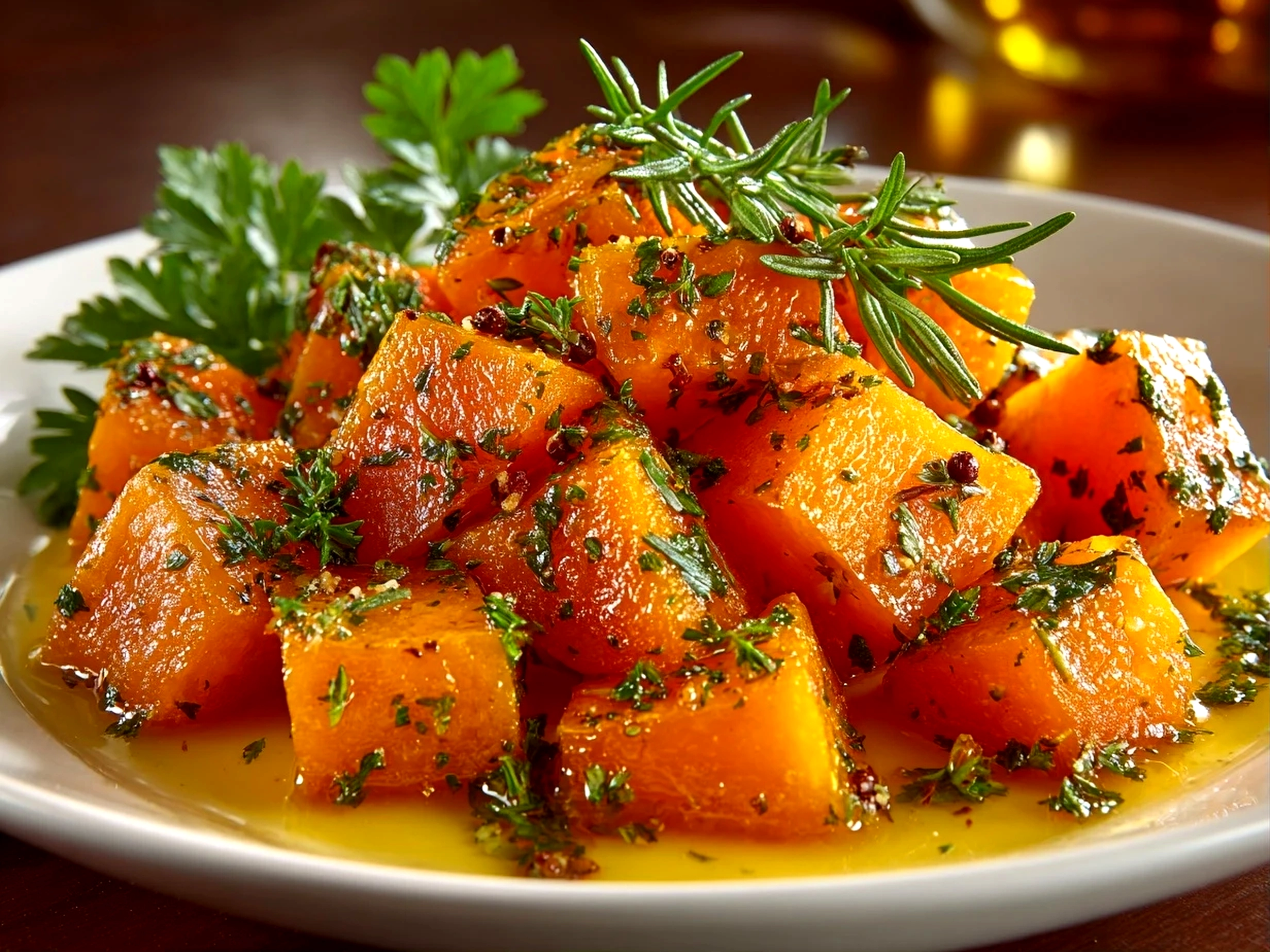
There was a week not too long ago when my plate was piled high with meetings, school runs, and back-to-back errands. On a tight schedule, dinner often felt like a stressful afterthought. But that week, planning meals around Butternut Squash totally changed my rhythm. Its versatility made it easy to prepare ahead, and its hearty flavor kept dinners satisfying with minimal effort.
I mapped out a plan starting Sunday afternoon. I roasted a big batch of Butternut Squash, turning some into puree, some destined for soup, and a portion reserved for quick side dishes. From there, dinner prep shaved off at least 30 minutes each night. That extra time? Spent unwinding with family instead of rushing in the kitchen.
This Butternut Squash became a weekly staple — a low-stress meal base that fit perfectly into a busy life. It’s not complicated cooking, just thoughtful timing and multi-use ingredients that prevent last-minute scrambling. If you’re a planner who wants to keep dinners both delicious and organized, you’ll find this approach rewarding.
When you plan with Butternut Squash, you’re not just picking a vegetable; you’re setting up a system that streamlines your week. From prepping different squash cooking techniques all at once to mixing and matching recipes, this winter squash is a test kitchen favorite that works reliably every time.
If you’re ready to take some of the evening pressure off, keep reading. I’m sharing the exact steps, ingredients, and serving ideas that help me stay on track with this must-have winter squash. You’ll see how Butternut Squash fits seamlessly into thoughtful meal planning and how it can save time without sacrificing flavor.
Your Shopping List:
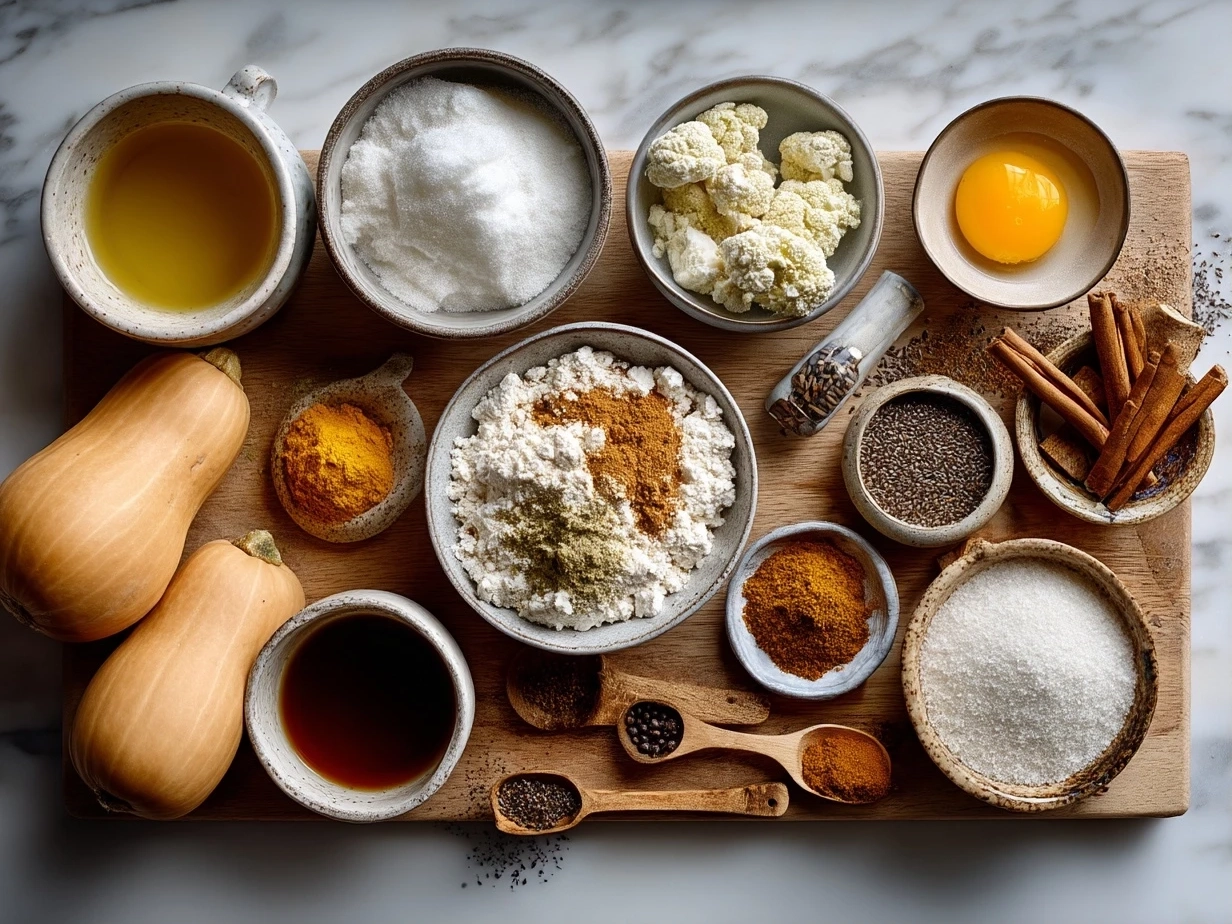
- 1 medium Butternut Squash (about 2 to 3 pounds): I always pick fresh butternut squash that stores well in a cool, dry place for up to two weeks. This winter squash is the foundation for multiple recipes this week.
- 2 tablespoons olive oil: I choose olive oil for its shelf stability and ability to enhance both roasting and soup recipes.
- 1 onion (medium, yellow or white): Onions are a staple I keep on hand; they pair beautifully with roasted butternut squash and add depth.
- 2 cloves garlic: Garlic adds a punch to your butternut squash soup or roasted dishes.
- 2 cups vegetable or chicken broth: Buying broth boxes that last weeks gives you flexibility with soups and stews.
- 1/2 teaspoon ground cinnamon: This winter spice complements the sweet, nutty flavors in butternut squash puree.
- Salt and pepper to taste
Meal Planning Notes:
Group your butternut squash, onions, and garlic together at the store for quick selection. Add broth and spices with your pantry staples this week. These ingredients cross over effortlessly between at least three recipes, so buying them fresh and in bulk saves both time and trips.
Batch Prep Opportunity:
Peel and cube the Butternut Squash as soon as you get home. You can roast the whole batch at once, then divide it into containers for soup, puree, or salad add-ins.
Storage Tip:
Uncooked butternut squash keeps best in a cool, dark spot for up to two weeks. Once roasted or pureed, store in airtight containers in the fridge for up to five days or freeze for longer use. I often prepped enough roasted butternut squash to use throughout an entire week of meals.
Efficiency Tip:
If you want to save time, buy pre-cut butternut squash from the produce section. This skips the tedious peeling and cubing, which can be tricky if you’re short on prep time.
The Game Plan:
- Prep the squash first: Start by peeling and cubing your Butternut Squash. Set up a clean workspace and a sharp knife ahead of time — this is the step where being organized pays off.
- Roast the Butternut Squash: Spread the cubes on a baking sheet lined with parchment and drizzle with olive oil, salt, and pepper. Roast at 400°F for about 25-30 minutes, tossing halfway. This time frame is perfect because you can prep a side salad or chop herbs while it roasts.
- Multi-use batch cooking: When your butternut squash is nicely roasted, divide it into portions: one for eating as a side, one for blending into butternut squash puree, and one reserved for soup.
- Make the Butternut Squash soup: In a pot, sauté chopped onion and garlic in olive oil until translucent. Add roasted butternut squash cubes and broth; simmer for 10-15 minutes to meld flavors.
- Puree for smoothness: Use an immersion blender or regular blender to puree the soup until silky. If making a standalone Butternut Squash puree, blend the roasted cubes with a pinch of cinnamon and salt.
- Timing checkpoint: From start to finish, plan about 45 to 60 minutes for roasting and cooking. This includes multitasking prep tasks while your Butternut Squash cooks.
- Make-ahead tips: If you want to prep this dish ahead, roast the squash on Sunday and refrigerate or freeze the puree and soup separately. They reheat beautifully for fresh results later in the week.
- Freezer storage advice: Freezing Butternut Squash puree in portioned containers is a time-saver for busy weeks. Defrost overnight for quick meals without sacrificing flavor.
- Lessons from planning: I’ve learned to always prep double the Butternut Squash batch. This pays off when dinners unexpectedly need a fast, nutritious component or you want to shift meals without stress.
- Workflow tip: While your Butternut Squash is roasting, pre-chop other ingredients for tomorrow’s meals. This small planning step multiplies your efficiency.
For a detailed walkthrough that pairs well with this method, I often rely on recipes like this roasted butternut squash with ground turkey, which fits seamlessly into my weekly plan and adds protein alongside the squash’s comforting flavor.
Smart Serving & Meal Planning Ideas:
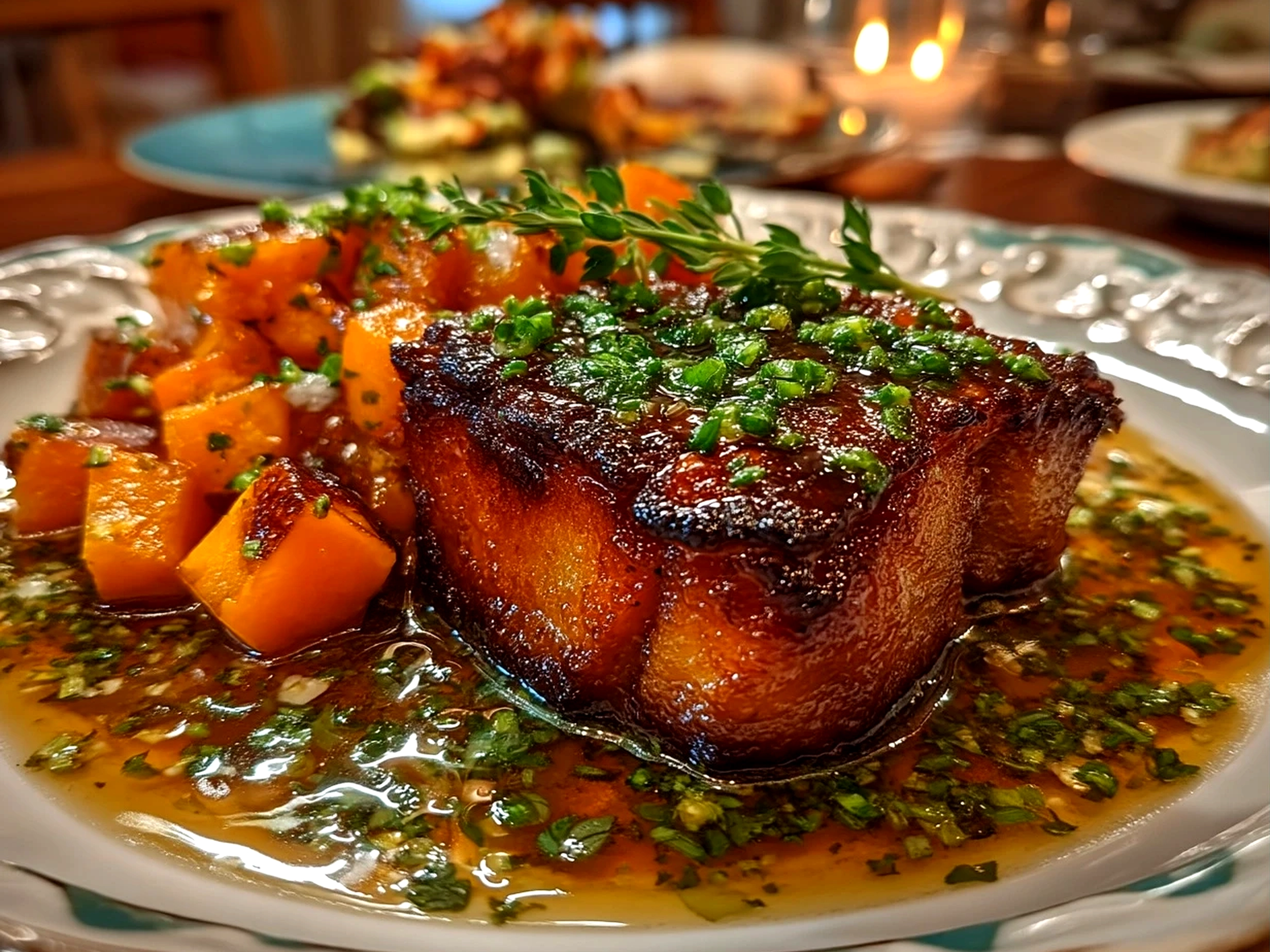
This Butternut Squash works perfectly in a weekly rotation alongside roasted winter squash and leafy greens for a balanced dinner.
Pair roasted butternut squash with grains like quinoa or brown rice, which store well and cook quickly. Adding a simple green salad or steamed broccoli rounds out the plate. These sides often double as lunch the next day, cutting prep time.
For a low-stress approach, I plan this Butternut Squash for midweek when my schedule gets hectic. It’s comforting, filling, and adapts easily into soups or purees, maximizing ingredient use. Leftovers blend well into smoothies or baked goods, giving you more mileage out of your batch.
When planning portions, estimating 1 to 1.5 cups per person of roasted butternut squash works well. For families or meal prep, scale accordingly by doubling or tripling the recipe.
Don’t overlook the value of leftover Butternut Squash puree. Adding it to sauces or mixing it into dips makes your meals feel fresh without extra cooking.
If you appreciate strategic winter squash roasting, check out Roasting Winter Squash — Durst Organic Growers, which offers solid tips for consistent results.
For more recipe ideas that fit your rotation, this collection of 31 Butternut Squash Recipes for Fall Cooking is a good next step for diverse menu planning.
Planning & Prep Questions
Q1: How far ahead can I prep this Butternut Squash?
You can prep raw squash up to two days in advance by peeling and cubing, then refrigerating in an airtight container. Roasting it ahead is also possible; roasted squash lasts about five days in the fridge.
Q2: What’s the best make-ahead strategy for Butternut Squash?
Roast your Butternut Squash on a prep day like Sunday. Portion into multiple containers: some for immediate meals, some frozen for later. This batch cooking approach saves you repeated peeling and roasting during busy weekdays.
Q3: Can I freeze Butternut Squash puree?
Yes, freezing Butternut Squash puree in portions works wonderfully. Use freezer-safe containers or bags and thaw overnight for quick meals. This is my go-to fallback for rushed nights.
Q4: How do I incorporate Butternut Squash into my weekly meal plan?
I like to slot Butternut Squash-based meals midweek when energy dips. Its hearty texture satisfies without heavy cooking labor. Plan for a Butternut Squash soup one night and use leftovers as simple roasted sides or puree additions later.
Q5: Are there squash cooking techniques I should know?
Roasting is my favorite; it caramelizes the natural sugars for deep flavor. Pureeing after roasting creates smooth soups or sauces. Steaming is faster but can dilute flavor, so I reserve steaming for when I’m short on time.
Q6: Is peeling Butternut Squash difficult?
Peeling can be tricky, but a sharp vegetable peeler and stable cutting board make it manageable. Buying pre-cut squash saves time but at a slightly higher cost.
Q7: Can I batch cook Butternut Squash with other vegetables?
Absolutely. Mixing in carrots or sweet potatoes with your roasted Butternut Squash cubes saves oven space and builds meals with layered flavors. Just note each vegetable’s roasting time to avoid overcooking.
If you want a detailed puree technique, Serious Eats has a Butternut Squash Purée Recipe that’s a reliable resource for making smooth squash bases.
Planning Takeaways
This Butternut Squash recipe earned its place in my system because it consistently supports easy, delicious, and flexible weeknight meals. It’s the kind of dish you can rely on during busy times without extra stress.
Strategic Butternut Squash Tips:
- Always roast your squash in bulk to cover multiple meals ahead.
- Divide cooked squash into portions for soup, sides, or puree to maximize prep efficiency.
- Use the squash puree as a base for sauces or to enrich dishes across your weekly plan.
I’ve tried variations where I pair roasted Butternut Squash with ground turkey, turning it into a hearty protein-filled meal (recipe here). Another go-to is making a creamy Butternut Squash soup early in the week, then repurposing leftovers as sauce or dip bases.
For the busiest weeks, planning around make-ahead squash batches ensures no dinner gets left behind. This approach fits my style because it’s straightforward and adaptable — just the way meal planning should be.
This Butternut Squash will simplify your weekly cooking once you make it part of your system. Stick to your planning rhythm, adjust portions to your household needs, and you’ll always have a comforting, nutritious fallback.
If you want more inspiration for Butternut Squash dishes, visit this collection of Butternut Squash recipes to mix into your meal ideas.
Your next organized, low-stress dinner is just a squash away. Plan ahead, prep smart, and enjoy how easily Butternut Squash fits your kitchen routine.
Butternut Squash

A simple and wholesome roasted butternut squash dish that highlights its natural sweetness and creamy texture, perfect as a comforting side or a nutritious main.
- Prep Time: 10 minutes
- Cook Time: 30 minutes
- Total Time: 40 minutes
- Yield: 4 servings
- Category: Dinner
- Method: Baked
- Cuisine: American
Ingredients
- 1 medium butternut squash, peeled and cubed
- 2 tablespoons olive oil
- 1 teaspoon salt
- ½ teaspoon black pepper
- 1 teaspoon fresh rosemary, chopped (optional)
- 1 teaspoon garlic powder
Instructions
- Preheat the oven to 400°F (200°C).
- Place the peeled and cubed butternut squash in a large bowl.
- Drizzle olive oil over the squash cubes, then sprinkle salt, pepper, garlic powder, and rosemary if using.
- Toss well to evenly coat all pieces.
- Spread the squash cubes on a baking sheet in a single layer.
- Roast in the preheated oven for 25-30 minutes, or until tender and lightly caramelized, stirring halfway through.
- Remove from the oven and serve warm.
Notes
For a sweeter twist, drizzle a little maple syrup over the squash before roasting or add a sprinkle of cinnamon for a cozy flavor.